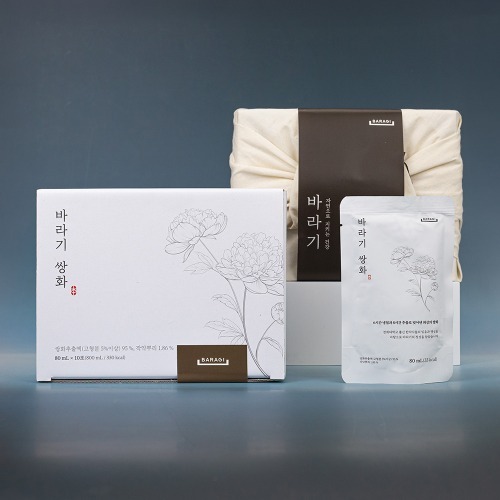
Ssanghwa
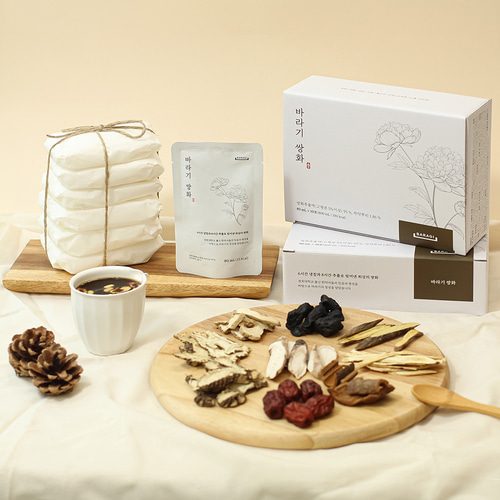
Ssanghwa is a formulation, not a single herb. Nine go in — white peony, prepared rehmannia, astragalus, cnidium, angelica, ginger, jujube, cinnamon and liquorice. Made by herbal pharmacists in a HACCP certified facility.
| Specification | 80 ml × 10 sachets |
|---|---|
| Produced by | Daedong Koryo Ginseng |
| Line | Traditional |
| Ingredients / allergens | Ssanghwa extract 95% (solids 5% or more: white peony root, Korean angelica root, prepared rehmannia root, jujube, cnidium rhizome, astragalus root, liquorice root, cinnamon bark, ginger rhizome), rice syrup (Korean jocheong), grapefruit seed extract |
| Shelf life / storage | 24 months from manufacture. Room temperature. |
| Regulatory class | Liquid tea (Korean food category) · destination classification to be confirmed |
| Halal status | Enquire about scope |
| Carton / pallet / HS code | Carton, pallet, barcode and HS code on request |
| Label languages | Confirm by product and destination |
| Product feature | Fourteen hours in all — six hours cold-steeped, eight hours extracted. Nine herbs. |
Trade terms, MOQ and lead time on request. We reply within one working day.
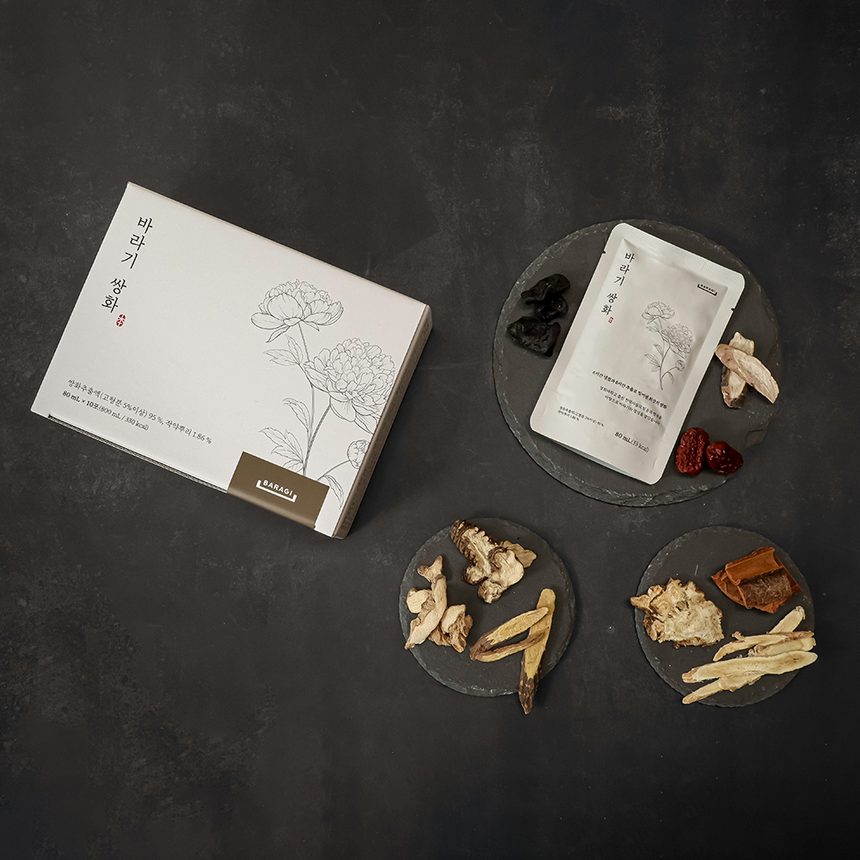
Key ingredients
The origin of all nine herbs is disclosed. As in the traditional formula, white peony is the largest part.
- White peony rootKorea
- Prepared rehmanniaKorea
- AstragalusKorea
- CnidiumKorea
- Korean angelicaKorea
- GingerKorea
- JujubeKorea
- CinnamonVietnam
- LiquoriceUzbekistan
The blend, and how it is used
Ssanghwa means 'to join together' — a pair in balance. The name comes from the blend of nine herbs, not from any single one.
The herbs are cold-steeped for at least six hours, then extracted for at least eight. Fourteen hours in all, to keep the natural taste and aroma. The result is darker and more fragrant than extraction without the cold steep.
No artificial sweeteners or flavourings. The only sweetness is Korean rice syrup (jocheong). Herbal pharmacists trained at Kyung Hee University select the herbs; Daedong Koryo Ginseng makes it in a HACCP certified facility.
A food for everyday consumption. It makes no health claims.
When to reach for it
- Long working days and shift work
- After a day of physical work
- A daily cup for people who train hard
- A gift that carries thanks
How to enjoy it
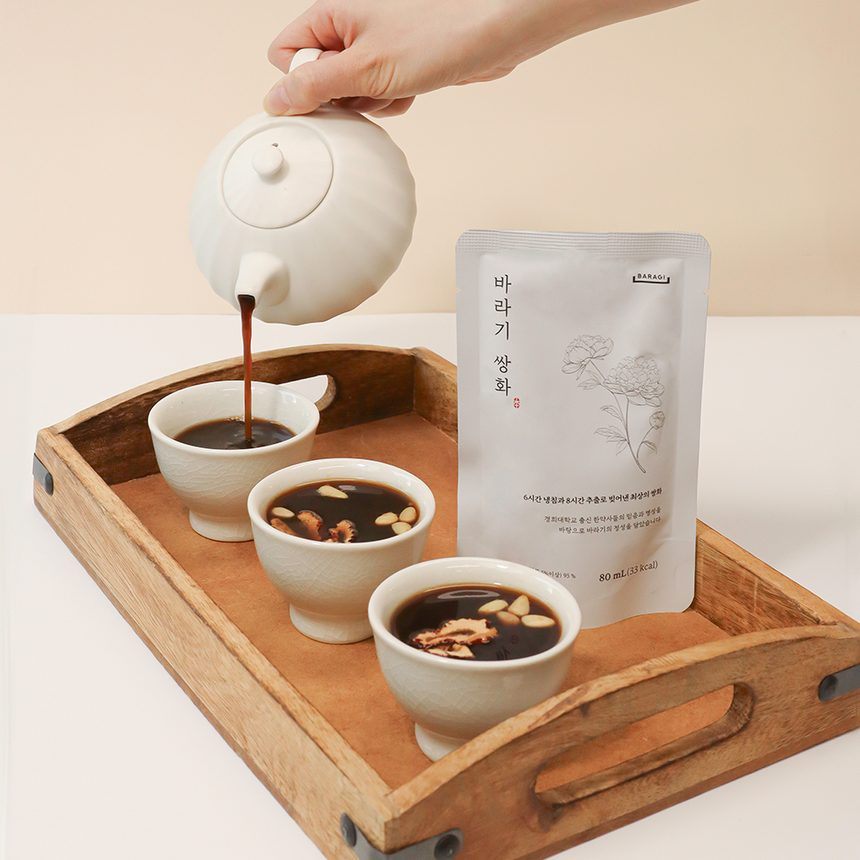
Once a day, one sachet (80 ml). Best warmed to about body temperature.
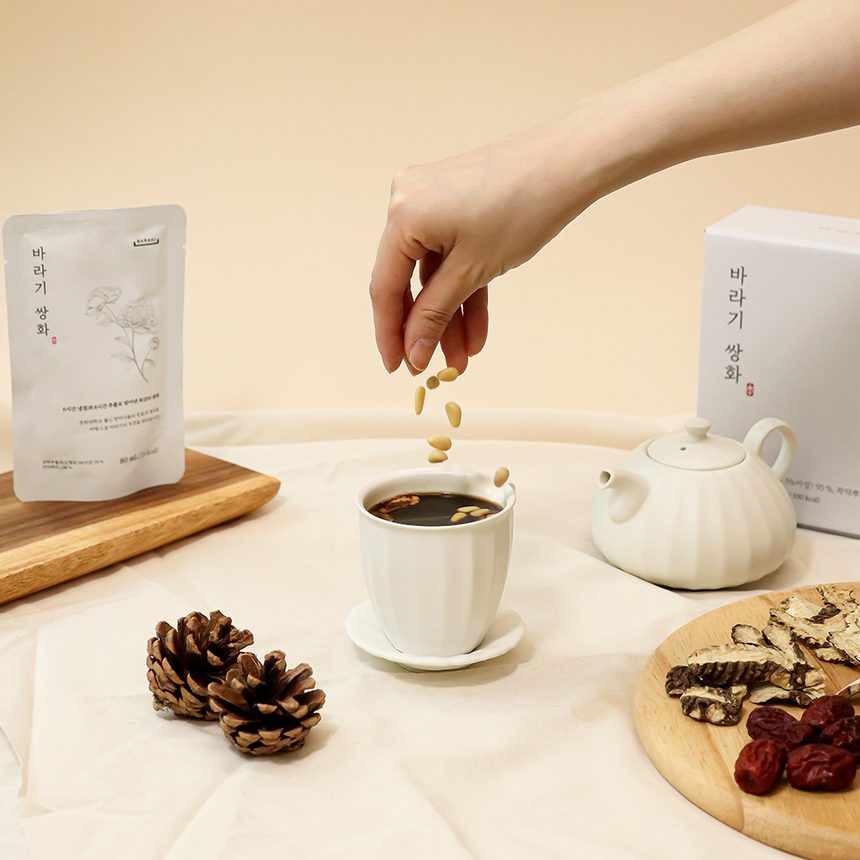
Add honey or nuts to taste. It is a strong brew, so it can also be diluted with hot water and taken like tea.
Serve the tea-house way with pine nuts, as a latte, as an iced ade, or with Korean sweets. It is also used in cooking.
Nutrition
Per sachet (80 ml) · 800 ml per box
| Energy | 33 kcal |
|---|---|
| Sodium | 12 mg |
| Carbohydrate | 7 g |
| Sugars | 4 g |
| Fat | 0.1 g |
| Protein | 1 g |
Ingredients as labelled
Ssanghwa extract 95% (solids 5% or more: white peony root, Korean angelica root, prepared rehmannia root, jujube, cnidium rhizome, astragalus root, liquorice root, cinnamon bark, ginger rhizome), rice syrup (Korean jocheong), grapefruit seed extract
Packaging
| Contents | 80 ml × 10 sachets (800 ml) |
|---|---|
| Sachet | Polypropylene (PP) pouch |
| Outer pack | Paper box |
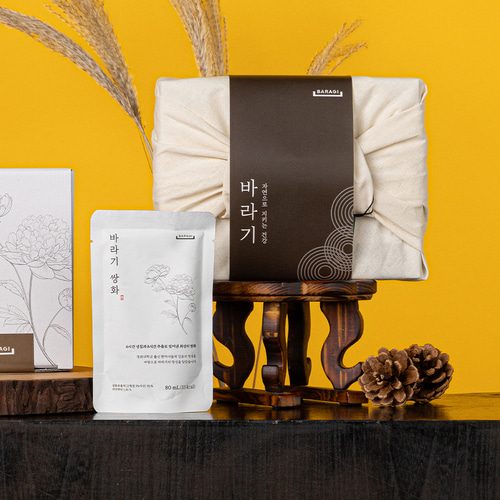
| Gift wrapping | Cotton bojagi wrap and paper bag available |
| Storage | Store at room temperature away from moisture and direct sunlight. Consume immediately after opening. |
| Shelf life | 24 months from manufacture |
| Allergen information | Made in a facility that also handles eggs, milk, buckwheat, soy, wheat, peanuts, crab, shrimp, pork, peach, tomato, mackerel, sulphites, walnuts, chicken, beef and pine nuts. |
Enquire about this product
Trade terms, MOQ and lead time on request. We reply within one working day.
Contact